Why Your Tattoo Course Could Be Setting You Up for Failure.
Mark Nara
June 30, 2024
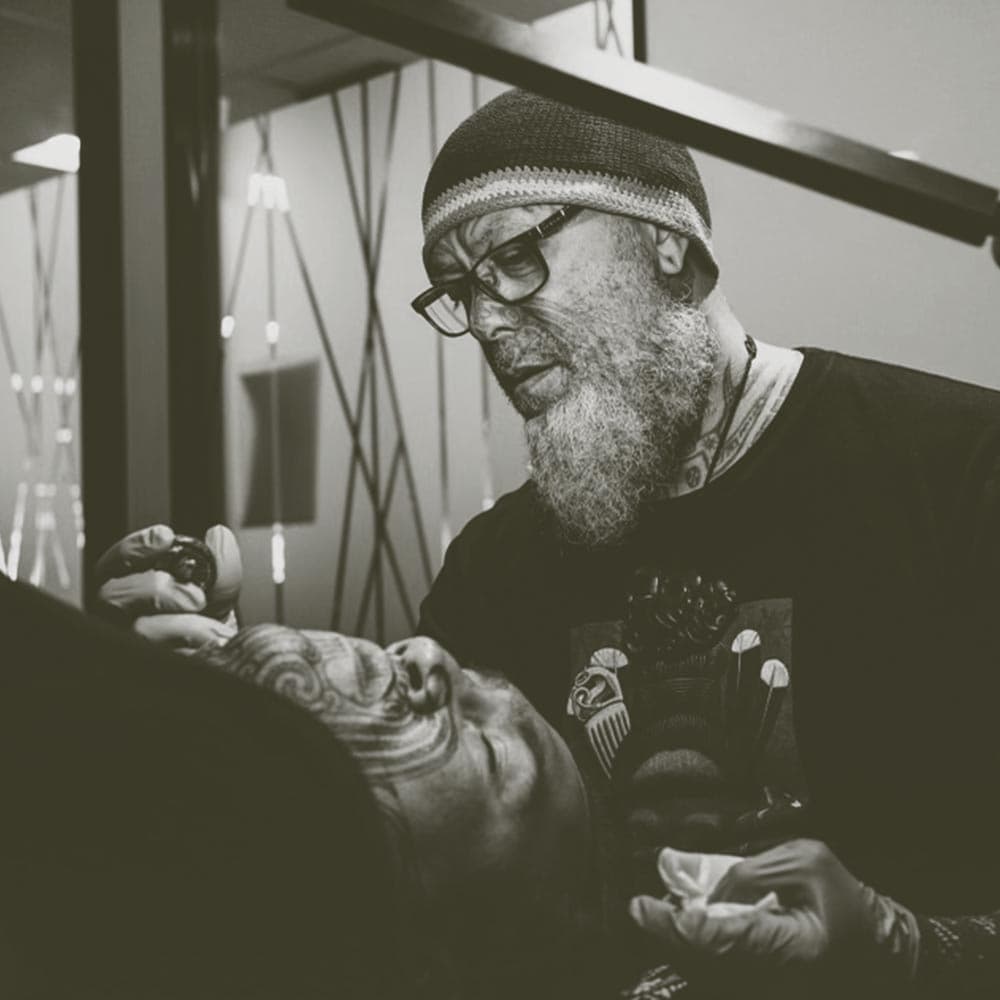
The answer is none. Experienced, credible tattoo artists didn't learn their craft through online courses. So, do you really need to?
The truth is, most tattoo courses are just side hustles or glorified art classes. They might promise a certificate, but that piece of paper could make you less respected in the industry.
The Saturated Tattoo Industry
The tattoo industry is oversaturated. Many amazing tattoo artists, despite their technical skill, struggle to find consistent work. They can't retain clients, and they don't understand why.
On the other hand, some artists never worry about work and always have a steady stream of clients. It's not just because they're good tattooists. It's because they understand the deeper aspects of their craft. They have a strong connection to the process and their clients. They don't simply sell a product; they guide a transformative experience that impacts people on a much deeper level than skin.
Which path do you want to take? Become an overnight certified tattoo artist entering an oversaturated industry that doesn't welcome you? Or become part of a tattoo family who guides clients toward meaningful tattoos, making the process invaluable?
The best way to grasp these deeper aspects is to explore your own tattoos. They are your foundation. Understand why you got them and why some feel like they've always been a part of you, while others you regret instantly.
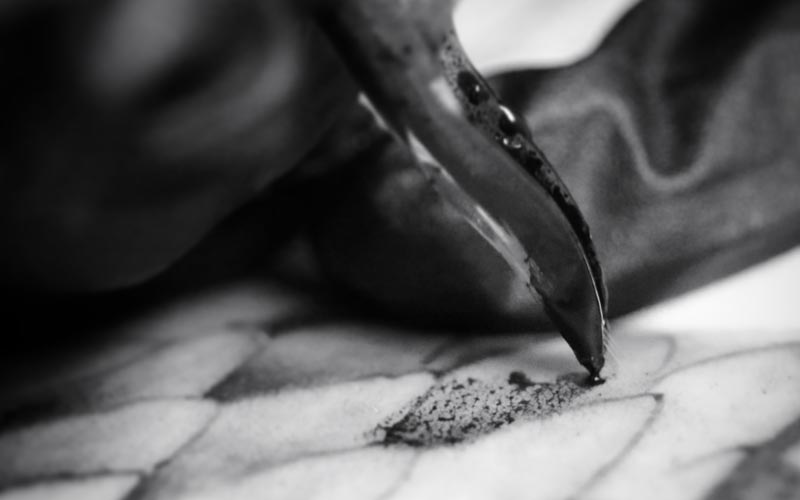
Tattoo Pathway introduces concepts the industry often ignores. That's why, after 16 years, I left the industry to slow down and give the process the attention it deserves. Navigating the tattoo world without this knowledge led to lots of wasted time and inflated egos.
Our tattoo course doesn't focus on teaching you tattoo skills. Instead, it provides the essential knowledge you need to level up before even considering the technical aspects. If you want a step-by-step guide to becoming a tattoo artist, I will offer my recommendations at the end. But first, let's focus on something more fundamental.
Understanding Yourself to Understand Your Tattoos
Understanding your tattoos are a solid foundation that leads to a deeper understanding of yourself. This self-awareness translates into better decision-making and ultimately, better outcomes in your tattooing journey.
During my tattoo apprenticeship the most valuable lessons were not from practicing on fake skin, drawing tattoo designs or buying the latest tattoo machines and equipment. They came from experienced individuals in the industry - both artists and clients. The vast majority of their insights were priceless. If I could have had a resource compiling those actual lessons, it would have saved me years of struggle .
Back then, I was focused on just the tattoos themselves. But it's about more than just the tattoos. Understanding tattooing's role in society and its long-term impact on clients is crucial, but it took me years to realise this.
Tattoo Pathway offers a genuine, grounded course that gives you a real advantage. You'll gain a clear understanding of your role, whether you're giving or receiving tattoos, and it won't cost you thousands of dollars. To learn more, listen to our podcast or read the summary below.
Introducing Tattoo Pathway
Our Tattoo Education and Research Institute
Hey, everybody. I’m Mark, and welcome to the Tattoos with Intention Podcast. Today’s episode is a departure from our usual format. Instead of interviewing an artist or a client, we’re presenting a half-year update and introducing an exciting new project: the founding of the Tattoo Pathway Education and Research Institute.
My guest today is Taylor Deacon-king, who previously joined us on the podcast back in October, in Episode 14. Since then, Taylor has taken on the role of research lead for the Tattoo Pathway team. We’ve been diligently working on launching a groundbreaking fundamentals course available this month.
What is the Tattoo Pathway?
An Educational and Research Mission
The Tattoo Pathway is an education and research institute with a mission to connect people to the transformational power of tattooing consciously. This mission runs through our dual focus areas: education and research.
We aim to educate individuals about the deeper significance of tattoos and provide thoughtful guidance for those embarking on their tattoo journey or looking to understand their existing ink more profoundly. Through our coursework, we help people make conscious, intentional choices about their tattoos.
Tattoo Research with Real-World Impact
Before Tattoo Pathway, my work was primarily observational, resulting in my initial course offering - ‘ 7 Principles of Tatu philosophy’ - back in 2020. This empirical approach is now being formalized and expanded, grounded in the lived experiences of people to develop a comprehensive understanding of what tattooing is and how it impacts lives.
I've long been curious about the patterns in tattooing and whether these experiences reflect intrinsic truths. These questions are one of the reasons that led me to start this podcast in an effort to understand if other artists and clients see similar patterns.

Meet Taylor Deakin
From Client to Research Lead
Taylor first began getting tattooed at 15 and has been on both the receiving and investigative ends of tattooing for over 15 years. Although not a tattoo artist, her personal journey of self-inquiry has significantly informed her understanding of tattooing. She joined the Tattoo Pathway team after taking our initial course in 2020 and has since played a crucial role in expanding our educational resources.
Taylor holds a Bachelor of Commerce with a major in management and a Master’s of Science in International Development and Emerging Economies. Her academic background involved extensive research and writing, which she now applies to her role at Tattoo Pathway.
A Tattoo Course for Everyone
The fundamentals course has been significantly refined and expanded from the initial principles outlined in 2020. We’ve broken down the initial seven principles into deeper, more focused chapters. According to Taylor, this distillation process extracts the purest and most essential elements of our teachings, making the content clearer and more impactful.
What You'll Learn
- Understanding Your Tattoos: Practical exercises and theoretical knowledge for those who wish to dive deep into the meaning behind their tattoos.
- Purposeful Tattooing: Guidance for those interested in getting tattoos with significant meaning, avoiding the pitfalls of consumer culture.
- Mapping Exercises: One of our key exercises — track and map your tattoos to uncover profound insights into your tattoo journey.
Mapping Your Tattoos

A central component of our course and research is the mapping exercise. This exercise helps participants track and explore the deeper meanings behind their tattoos, offering profound insights into their tattoo journey. This exercise has been incredibly valuable for both Taylor and me as we’ve mapped our own tattoos over the years.
Research, Collaboration and Survey Participation
Contributing to Collective Knowledge
Our research aims to uncover underlying patterns in tattooing, pooling lived experiences to reveal intrinsic truths. This research is crucial for developing a collective understanding of tattooing's role in contemporary society. Participants are invited to contribute via surveys and mapping exercises, adding to a collective understanding that will inform future resources and courses.
How You Can Get Involved
- Tattoo Insights Survey: Available on our website, this provides a starting point for reflection and can be a valuable exercise in their own right.
- Tattoo Research Institute: Explore our growing body of research on the psychology and meaning of tattooing at the Tattoo Research Institute.
- Practitioner training: Tattoo Pathway: Foundations is the structured entry point for artists and serious practitioners. Self-guided resources and digital guides remain in the offerings. Ongoing community, cohort-style work, and subscription access will live on our Circle space — Circle community link coming soon.
No Tattoos? No Problem!
This new course also proves useful for those yet to embark on their tattoo journey, who might have an interest but no tattoos. This is because the course offers foundational knowledge, it allows participants to approach tattooing consciously and meaningfully from the very start.
Our Vision for the Future
Our vision is to create a tattoo pathway that holds sacred significance for future generations. We aim to move beyond mere consumer culture to find and nurture the deeper, transformational aspects of tattooing.
We invite you to explore Tattoo Pathway: Foundations for practitioner-focused coursework, browse offerings for guides and tools, and stay tuned for our Circle-based community and subscription programs (link coming soon).
Final Thoughts
In conclusion, Taylor and I are incredibly excited about the transformative potential of the Tattoo Pathway. We believe this program can profoundly impact how people see and experience their tattoos. Though the journey involves breaking down preconceived notions and exploring new perspectives, we’re confident that it can lead to a more intentional and meaningful relationship with tattooing.
Thank you for staying with us through this detailed exploration of the Tattoo Pathway. If you feel this program could benefit you or someone you know, please spread the word. We look forward to continuing this journey with you.
Join Us
If you’re interested in joining the fundamentals tattoo course the first round will include weekly check-ins with me, offering a unique opportunity for group interaction and personalised feedback.
Here on our website you can learn more about the Tattoo Pathway pillars, read our mission statements, and participate in our research. Have a look around - your journey towards a more intentional and meaningful tattoo experience starts here.
Thank you for reading! We hope to see you on the Tattoo Pathway soon. Below are my recommendations and answers to common questions from those seeking tattoo courses:
FAQ
Which course is best for a tattoo artist?
First, WAIT and get a real teacher. Online courses should complement, not replace, real-world proper training. Once you're in a tattoo shop, studio or practical learning environment, the right course will become evident. Don't fool yourself into thinking an online course will qualify you as a professional tattoo artist. It takes years of practice to see the results of your work on human skin. How did your first tattoo heal and age over ten years?
No online course can replace hands-on learning from a mentor in a real environment. Most learning happens through observation and real-time immersion. A course can complement a traditional apprenticeship if you want to learn specific techniques, but experienced artists often share this information freely once you're "in" the tattoo studio.
To be honest, finding a real-life teacher is more important than choosing an online course. Talk to them about the online options available. What do they recommend?
Waiting before jumping into online learning has another benefit: once immersed in the tattoo environment, you'll be able to distinguish between courses that offer genuine value and those that are just selling you fluff.
What certifications or degrees do I need to tattoo?
This varies worldwide, but for most of you, the answer is NONE. There may be licensing and health requirements, but tattooing is not an academically accredited industry.
That means the tattoo license is probably more a cost barrier than a technical proficiency barrier and is available to complete beginers.
So, focus on the essentials first: finding a mentor who recognises your ability and aptitude to learn in their real environment. That might take time, it might involve making changes to where you are or what life looks like, if you open to that maybe the door will open to you.
How long does it take to learn tattooing?
Tattooing is complex. Understanding the equipment, techniques, and health standards takes at least one to two years of dedicated practice with a good mentor. This is just the minimum to avoid mistakes. Mastering the nuances of the equipment, techniques, human psychology, and the industry takes another ten years of full-time commitment. You can't truly judge your work until it has stood the test of time on real skin.
A good tattoo that lasts over time—technically, aesthetically, and in terms of client satisfaction—takes a long time to achieve. By then, you'll have a decade of work behind you that you're responsible for. So, think carefully and don't rush into any decisions. If you're serious about becoming a part of this culture, do the time and learn from experienced artists.
Again this emphasises the value of real time learning. Experienced tattoo artists can show you work that is ten years old that they have done and explain the basic tattoo skills that did and didn't work saving you the costly lessons of a decade or more providing a strong foundation. This is a contemporary catastrophe playing out in the world of miniatures. Time will tell. be sure to subscribe to our mailing list for future content
Article by
Mark Nara
Mark is the founder of Tattoo Pathway and a tattoo artist with over 18 years of experience. He's dedicated to transforming how we understand and approach tattooing as a sacred practice, bridging the gap between traditional wisdom and contemporary expression.
Through his work, Mark guides both artists and individuals to approach tattooing with intention, meaning, and respect for the profound transformation that comes with permanent marking.
Enjoyed this article?
Get thoughtful updates on tattoo research, education, and insights you won't find anywhere else.
Subscribe to Newsletter